Food First: Why Diet Matters Most
A healthy, balanced diet is the best and most effective way to achieve your vitamin and mineral requirements. Nutrients from food also tend to have better bioavailability than those from supplements.
A well-balanced diet includes:
- Plenty of fruit & vegetables — aim for 5 portions per day (one portion = 80g).
- Starchy carbohydrates such as bread, rice, potatoes and pasta (wholegrain options preferred). These provide fibre, B vitamins and energy.
- Milk and dairy foods (preferably low-fat) — aim for 2–3 servings daily. Choose fortified alternatives if using plant-based milks.
- Beans, pulses, fish, eggs and meat — key sources of protein and B vitamins.
When Are Supplements Indicated?
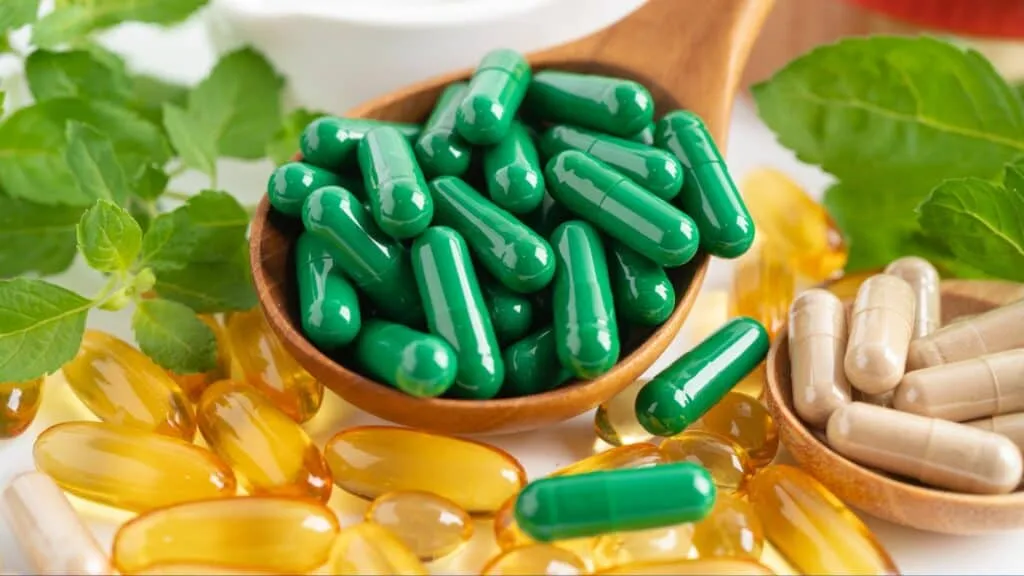
Some people do benefit from supplementation. Common examples include:
Vitamin D (Scotland)
Due to limited sunlight, especially in winter, most people in Scotland should take 10 µg Vitamin D per day.
Pregnancy or Trying to Conceive
Take 400 µg folic acid daily.
Vegan Diets
Individuals following a vegan diet may require supplementation of:
- Vitamin B12
- Iodine
- Omega‑3 fatty acids
A Few Words of Caution
- Buy supplements from reputable sources.
- Avoid exceeding safe intake levels — be cautious of overlapping ingredients across multiple supplements.
- Don’t waste money: a balanced diet is still the best way to meet nutrient needs.
GLP‑1 Injections & Supplements
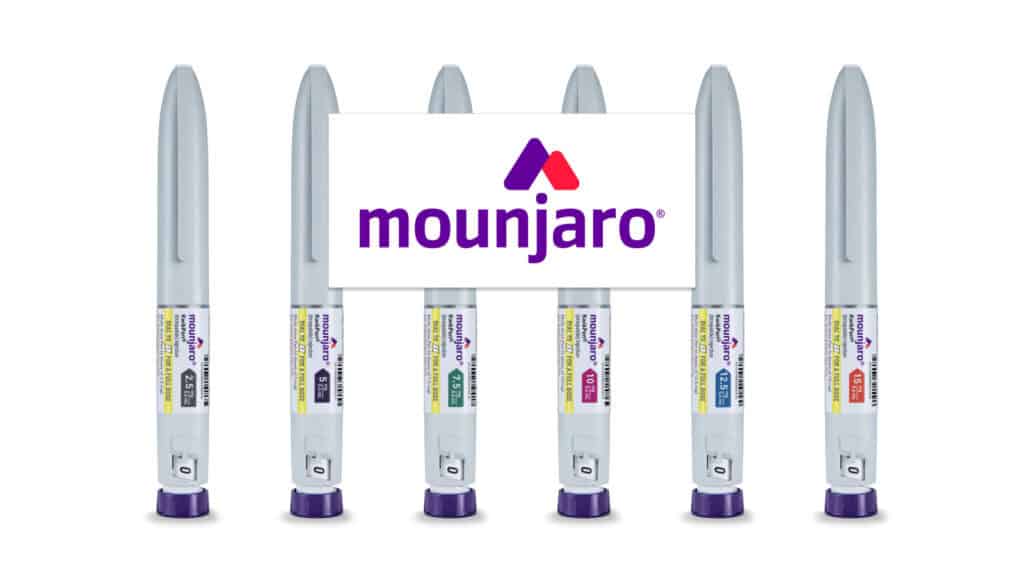
Tips to maintain good nutrition:
- Focus on nutrient‑rich mini‑meals using the food groups above.
- Avoid cutting out whole food groups.
- Do not eliminate carbohydrates — this can significantly reduce fibre intake and worsen constipation.
- A basic A‑Z multivitamin may help when appetite is low. Supermarket own-brand is often perfectly sufficient.
 Visit our Irish site