
Mounjaro
A weekly injection that helps you feel fuller for longer, manage cravings and support safe weight loss.
Mounjaro — active ingredient tirzepatide — works as a dual GLP-1 and GIP receptor agonist, which helps reduce appetite, slow stomach emptying and improve blood sugar control.
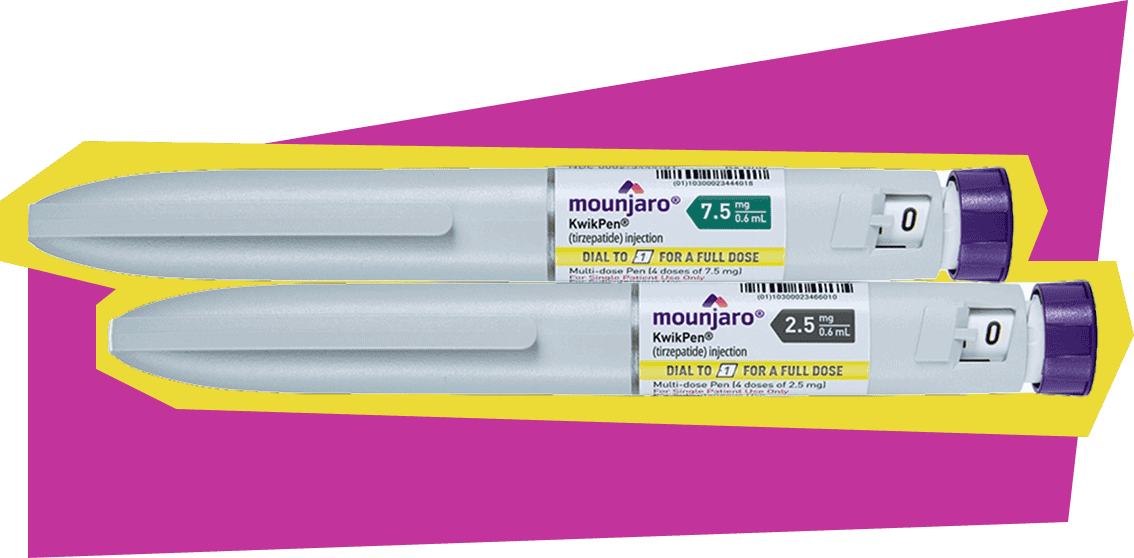
When used alongside diet and lifestyle changes, typical weight loss may reach 15 to 20% of body weight. That figure comes from treatment with clinical support around it — which is the part most online services leave out.
How it works
Appetite regulation
Signals to the brain that you feel fuller, sooner.
Slows digestion
Keeps food in the stomach for longer, reducing hunger.
Improves metabolism
Helps regulate blood sugar and insulin sensitivity.
In clinical trials, participants taking tirzepatide lost up to 20% of their body weight. Those results were achieved alongside regular clinical review and sustained changes to diet and activity, and individual outcomes varied considerably. What any one person loses depends on their starting point, the dose they tolerate and what else changes alongside the medication.
Numbers from trials describe what happened to a group of people under study conditions. They are a reasonable guide to what treatment can do, not a prediction about you — which is part of what the consultation is for.
What Mounjaro costs at the pharmacy
We believe patients should have a clear idea of the likely cost of treatment. Because we don't dispense medication, the figures opposite are an indication of typical pharmacy costs — not our prices, and not fixed.
| Dose | Indicative monthly cost |
|---|---|
| 2.5mg | £158 |
| 5mg | £173 |
| 7.5mg | £224 |
| 10mg | £248 |
| 12.5mg | £267 |
| 15mg | £287 |
Prices vary by dose, availability and the pharmacy you choose. Accurate to the best of our knowledge on 3 March 2026, and subject to change at any time.
Read a low headline price carefully
These guide prices shouldn't be compared with heavily discounted introductory offers from some online pharmacies and clinics, where the first month looks cheaper but later prescriptions cost substantially more. A fair comparison takes account of the longer-term cost of treatment, not the initial advertised price.
Supporting effective treatment at lower doses
Our combined medical, diet and lifestyle approach is designed to support effective weight loss without automatically relying on higher doses. Many patients make good progress at lower dose levels, which makes a meaningful difference to the overall cost of treatment over time. If treatment is recommended after your consultation, your doctor will discuss the most appropriate option and explain the expected prescription pathway and likely medication costs.
Starting and monitoring treatment
Treatment begins with a low starting dose and regular reviews, to ensure safe and gradual progress.
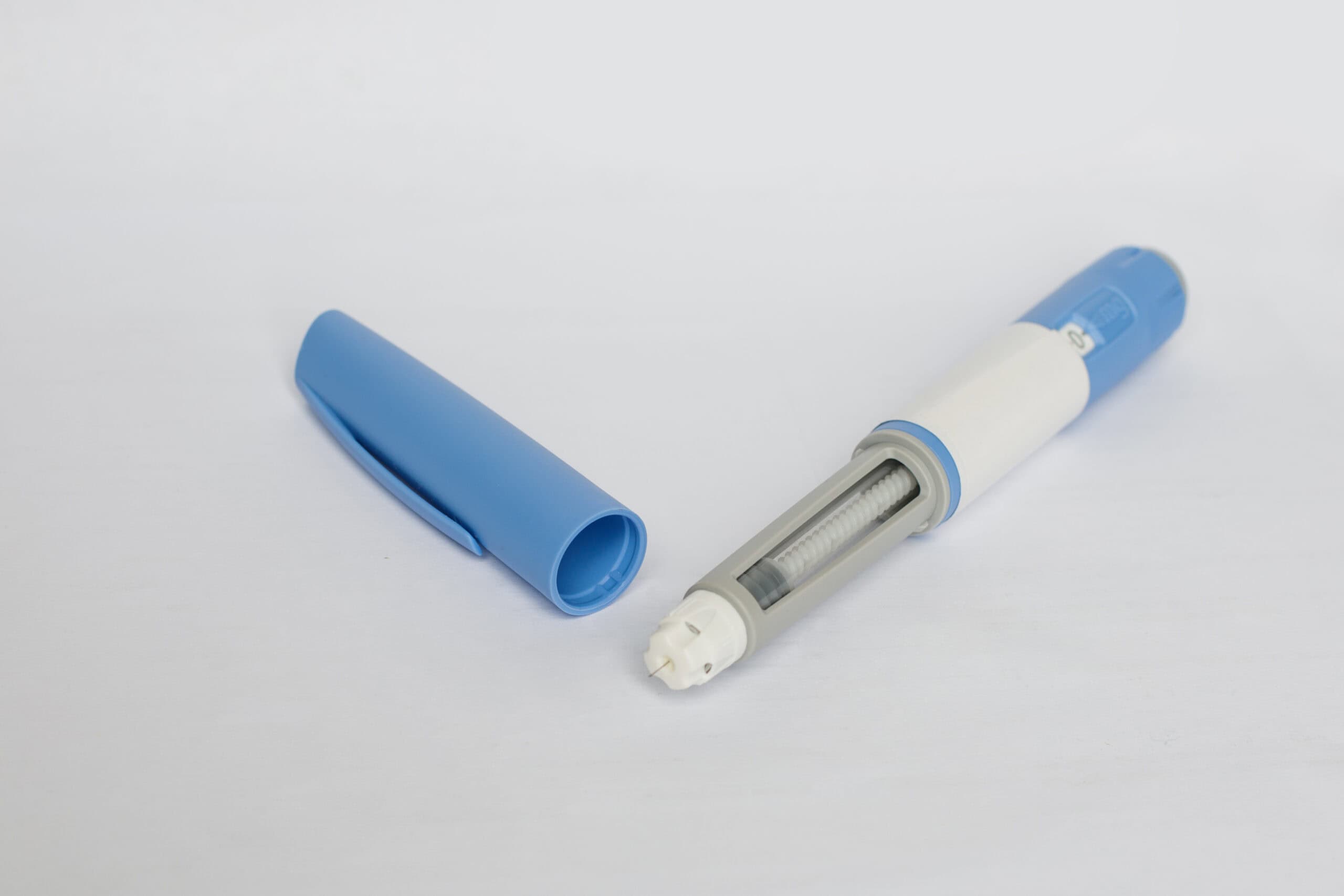
Self-injected once weekly into the thigh, abdomen or upper arm.
2.5mg once a week, for four weeks.
A gradual increase as advised by your doctor, to improve effectiveness while reducing side effects.
Regular follow-ups track your rate of weight loss, side effects, hydration, exercise and global wellbeing — and whether a dose change is genuinely needed.
Mounjaro is not suitable for everyone
Suitability is assessed during your initial consultation. Patients with a history of certain endocrine conditions or gastrointestinal diseases may not be eligible.
Mounjaro may be considered suitable for patients who:
Have a BMI over 30
Have a BMI over 27 with weight-related health conditions — for example type 2 diabetes, high blood pressure or high cholesterol
Require weight reduction before elective surgery
Usually temporary, and always discussed with you
Like all medical treatments, Mounjaro can cause side effects. These are usually temporary and may improve as your body adjusts.
Nausea, bloating or indigestion
Constipation or diarrhoea
Decreased appetite
Fatigue or mild headache
Hair loss while weight falls quickly
Reflux or heartburn
Rare, but more serious
Pancreatitis and biliary problems are uncommon but serious, and NAION — a rare eye condition causing visual change — has also been reported. All are discussed with you during your consultation, along with what to watch for. Treatment is always supervised by a GMC-registered endocrinologist.
Seven questions, answered plainly
Will I definitely be prescribed Mounjaro?+
No. A prescription is only made if a specialist doctor decides it is safe and appropriate, carefully balancing your individual risks and benefits.
How quickly will I lose weight?+
Results vary. Some patients see early changes, but sustainable weight loss builds gradually over months.
Do I need to follow a diet as well?+
Yes. Mounjaro is most effective when combined with a balanced diet and a healthy lifestyle — which is why a specialist dietitian is part of the service.
Is Mounjaro available on the NHS?+
NHS access is currently limited. Our service provides private access after a consultation.
Can I stop treatment if I reach my goal weight?+
Yes, but stopping suddenly may result in weight regain. Your doctor will guide you through it.
Is it safe for people with diabetes?+
Mounjaro was originally developed for type 2 diabetes. It can be safe for many patients with type 1 diabetes, but only under medical supervision.
What happens if I miss a dose?+
Follow your doctor’s advice. Usually you can take it within a few days, then resume your weekly schedule.
Independently collected reviews of our clinical service. They describe the care our patients received and are not specific to any medication.
★★★★★ Based on 86 reviews, verified by Doctify
I was very happy knowing that I was looked after by an experienced specialist doctor. This put my mind at ease, as I felt I would get the best care possible.
The consultation was professional and everything was explained clearly. I felt listened to and supported throughout.
Mounjaro is a prescription-only medicine, supplied by a registered pharmacy following clinical assessment. Report side effects to us and via the MHRA Yellow Card scheme.
What we have been writing about



3 April 2026
 Visit our Irish site